Quality is not a final checkpoint—it is a controlled process that begins with requirements review and continues through production, inspection, traceability, and delivery.
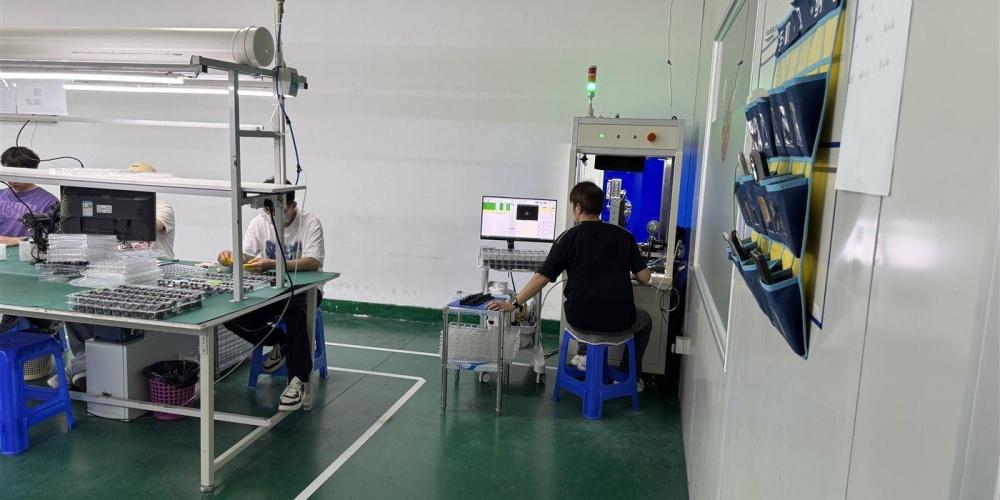
supporting in-process verification and consistent production control.
We apply clear responsibilities, documented checks, and practical controls throughout the manufacturing process. This helps our team identify issues early, maintain repeatable workmanship, and deliver products that meet agreed specifications.
Requirements Review: Product specifications, application needs, and acceptance criteria are reviewed before production begins.
Incoming Material Control: Materials and components are checked against relevant requirements before entering the production process.
Process Control: Key manufacturing stages are monitored to reduce variation and maintain consistent output.
Inspection and Verification: In-process and finished products are checked before release, with attention to function, appearance, and agreed specifications.
Traceability: Production and inspection information is maintained where applicable to support efficient review and corrective action.
Continuous Improvement: Feedback, inspection findings, and production experience are used to improve methods and prevent recurrence.
Our team uses dedicated workstations and defined operating procedures to support product identification and process traceability. Clear status marking and organised handling help ensure that materials and finished units move through the correct production and verification stages.
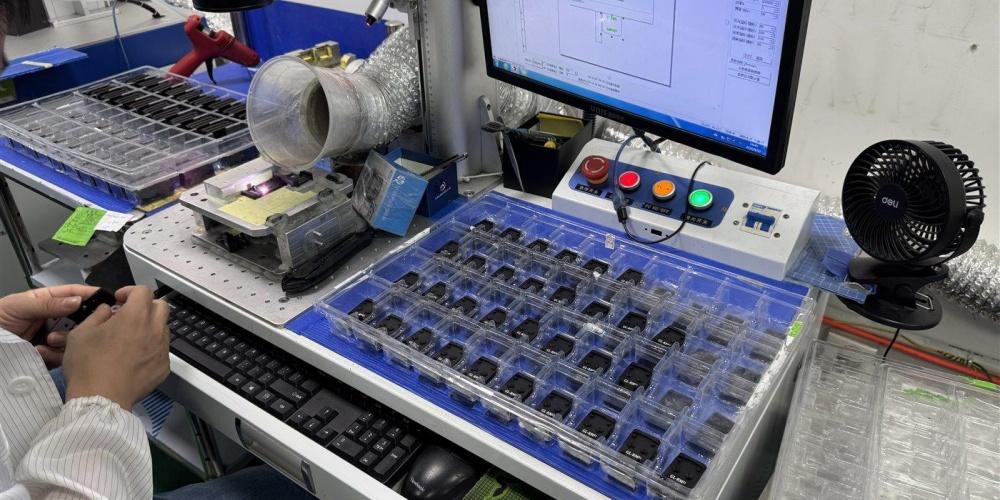
Laser marking and identification process supporting product traceability.
Our objective is straightforward: deliver dependable products, communicate clearly, and respond quickly when improvement is needed. Quality records, production feedback, and customer input help us strengthen our processes over time.
Need specifications, inspection information, or support for a project? Contact our team and we will provide the relevant details for your application.